
The Liberating Structures Fieldbook: Flipping the Script on Meetings, Planning and Progress
The reality is conventional structures are too slow for complexity, too exclusive for equity, and too rigid for innovation. With The Liberating Structures Fieldbook, Keith McCandless and Nancy White have updated the work on Liberating Structures, including and transcending the familiar resources you already trust.
How to Get the Fieldbook
Purchase on IngramSpark(UK and USA orders only)
Purchase on Bookshop.org
Purchase on Amazon
Paperback (We recommend the print version for an aesthetically pleasing layout.)
What’s New: Inside the Fieldbook
Expanded Repertoire: The LS menu has grown to 43 methods, introducing ten new, second-generation Liberating Structures to tackle modern challenges.
Integrated Online Practice: No more fragmented guides. Practical, field-tested instructions for both online and face-to-face facilitation are now embedded directly within every single structure.
Inclusive Design & Continuity: Learn how to co-design with your group. Master the art of composing strings, using short punctuations, and tracking multi-session progress with your participants, lifting off precisely where you left off.
The Deeper Why: We shine a brighter light on the 10 LS Principles and the complexity science concepts that underpin the repertoire—helping you bridge the gap between your espoused values and routine habits.
Sparkling New Visuals: Every structure features a sharp visual format and simple line drawings, making the microstructures and templates easy to follow, adapt, and share.
What People Are Saying About the Fieldbook
-
This is a masterclass in making the architecture of collaboration profoundly humane. They remind us that participation is not a luxury—it is the source of innovation, belonging, and shared purpose. A companion for anyone committed to shaping the future with others rather than for them. — Daniel J. Pesut, PhD, RN, Emeritus Professor and Nursing Leadership Expert
Liberating Structures completely changed our game. They are the most powerful way to build team safety, gather feedback, and co-create strategy. This book is a brilliant starting point for newcomers and a vital source of new ideas for experienced practitioners. You can't afford to miss this fieldbook. — Barry Overeem & Christiaan Verwijs, Co-founders of The Liberators
As an artist-facilitator, I’ve used Liberating Structures to invite everyone into the work. Beyond being user-friendly, these clever little patterns turn gatherings into ecosystems of adaptation and joy-filled inquiry. — Kevin Joyce, Artist-Facilitator and Producing Director
A gift to every leader, community and team. Liberating Structures move us past simple dialogue into collaborative action. They are essential for navigating complexity with trust and creating space for hope when it is most needed. — Juanita Guidera,Programme Manager, Health Service Executive (Ireland)
In my work, Liberating Structures have become a practical language for making collaboration real. They replace hallway gossip and fragmented stories, helping groups to create shared narratives and make sense of their world together. Daniel Steinhöfer, Agile coach and Chief LS Orchestrator
-
This book elevates, democratizes, and empowers leadership. Beyond theory, it offers practical, actionable pathways for designing meetings where all voices are heard and innovation emerges. This is an essential guide for anyone serious about transforming how we work and lead together. — Lynn Wooten, President, Simmons University
When anyone asks me how to truly engage a group, my first recommendation is Liberating Structures. This book makes those patterns so accessible that I expect your next meeting to be world class. — Aaron Dignan, author of Brave New Work
The way we convene is the way we lead. This is the definitive field guide for turning dull meetings into energizing discovery—your essential roadmap for transformative collaboration. — Arvind Singhal, Professor and LS practitioner of two decades
A treasure trove for releasing group potential, whether in person or online. I always point leaders to Liberating Structures. — Lisa Gill, Thinkers50 Radar & Host of Leadermorphosis
-
This book invites us to elevate the ordinary into something deeply meaningful. Each tool is a powerful prompt to renew the trust and genuine connection our relationships deserve, transforming everyday interactions into rich, shared experiences. — Michael Arena Author of Adaptive Space and Co-founder of Connected Commons
As AI accelerates our access to knowledge, Liberating Structures is the modern tool to curate that knowledge into meaningful learning, innovation, and the human connections that truly matter. — Daniel Russo, PhD Associate Professor of Computer Science, Aalborg University
For everyone who senses something is awry with how our organizations are wired, Liberating Structures offers the curated, ready-to-use solutions needed for system change. Matthew Kalman Mezey Co-founder, LS in Healthcare (UK NHS Alliance)
Liberating Structures supercharge how we think, act, and—above all—interact. Learn a few and you transform any gathering; learn them deeply and they will transform you. — Johannes Schartau, Agile Organizational Developer & Co-Author of the Zombie Scrum Survival Guide
-
Where Does Collective Intelligence Begin? Gianluca Gambatesa has penned an eloquent argument for why Liberating Structures make a difference in our complex world. “Liberating Structures make participation easier, attention more distributed, and shared understanding more likely to emerge.”
Acknowledgements
We give a deep bow to these and so many other far-flung pioneers in our community.
Henri Lipmanowicz, first and foremost. Anna Jackson, Fisher Qua, Lynda Moss, Liz Rykert, Dan Pesut, Curt Lindberg, Brenda Zimmerman, David Heath, Larry McEvoy, Johannes Schartau, Carsten Sahling, Daniel Steinhofer, Barry Overeem, Christiaan Verwijs, Arvind Singhal, Helen Hua Wang, Tim Jaasko-Fisher, Steve Cady, Tracy Kelly, Stefan Morales, Leva Lee, Barish Golland, Jeremy Akers, Sharon Dale, Zoe Lord, Fernando Murray, Carolina Ribeiro de Almeida, Lynda Frost, Maha Bali, Ina Zukrigl-Schief, Birgit Nieschalk, Anja Kassner, Lyse Edwards, Dan Young, Barrett Horne, Nicole Helmerich, Tamotsu Ito, Nadia von Holzen, Anja Ebers, Neil McCarthy, Tracy Rekart, Doug Mosel, Eva Schiffer, Astrid Pruitt, and many more.
And a deep bow to everyone involved in producing this book: Nina Conrad (editor), Thea Schukken (artist), Johanna Vondeling (publishing advisor), Tanya Grove (copyeditor), David Peattie (BookMatters), Marisa Vitiello (designer), Troy Coleman (icon artist), Steve Godfrey (illustrator), and the artful crew at Allovus.
About the Authors
Keith McCandless
Before any Liberating Structures were ever published, Henri Lipmanowicz (coauthor of the first LS book) and I learned by exploring a hunch one Liberating Structure at a time over a span of ten years. Grand epiphanies and eureka moments were rare. Insights arrived in tiny increments. Slowly but surely, we traversed a vast sea of complexities dappled with a few dozen island sanctuaries that became the original LS repertoire. I recommend you take the same approach for developing your repertoire: spend time exploring each LS sanctuary one by one.
The success of the 2014 LS book was a wonderful and humbling surprise. While the ideas were deeply personal to me then, in the dozen years that followed, they profoundly reshaped my life. This new book isn’t simply a second edition; it’s a direct outcome of my world expanding dramatically.
Suddenly, ambitious leaders began inviting me to join them. I was no longer just working on business strategies or preventing the spread of superbugs. I was in the room, cohosting with people who were building a more civil society, transforming the mental health system, and cultivating innovation among scientists. Together, we used LS to liberate creativity in agile teams and flip classrooms toward more self-authoring learning communities.
What I experienced was simply too important to keep to myself. In countless settings and cultures, I watched as LS enabled higher-order goals to take shape in ways I never could have imagined. This book needed to be written so we could take another crack at making LS accessible and more powerful for everyone, every day.
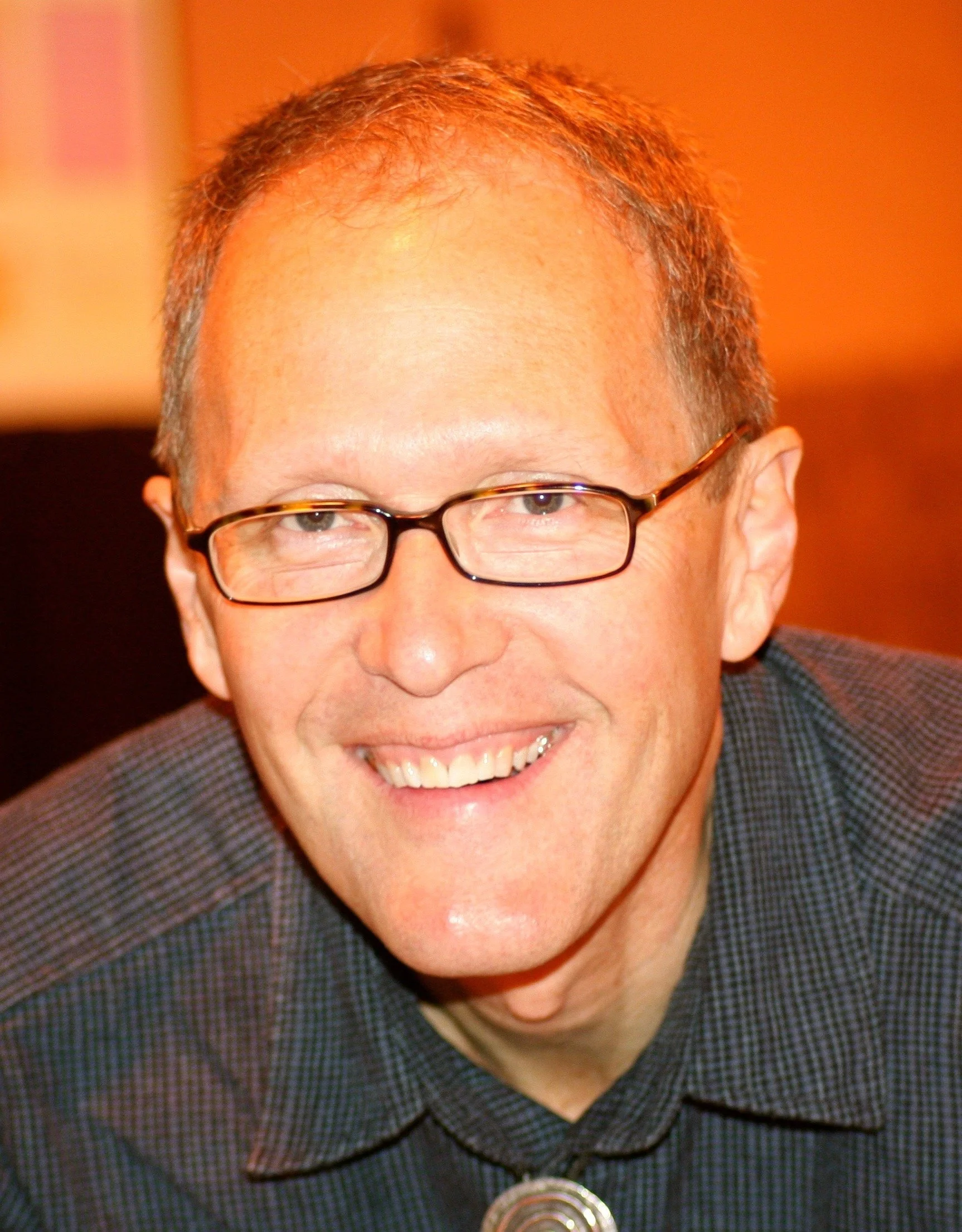
Photo: David Gasser
Nancy White
When Keith first shared LS with me years ago, I had twenty-plus years of facilitation experience. I was deeply invested in large-group processes that included everyone. When looking at Liberating Structures I gradually learned how they invite us into a deeper understanding of our practices of working together—whether with colleagues, with community members, or with family. My passion now is to make these layers visible, accessible, and productive for others. I have supported groups in meaningfully connecting and working with each other and, in other words, let’s get stuff done!
My path to this point makes total sense — in retrospect! I spent my career focused on offline and online interaction with a deep interest in communities, knowledge-sharing networks and especially communities of practice. So much that I was one of the first people to study and write about online facilitation and I co-authored Digital Habitats: Stewarding Technology for Communities, with Etienne Wenger and John D. Smith (2009). I stumbled into international work in the early 2000s which brought me into working with local and international NGOs, from health, to gender, to agriculture and many other stops along the way. I am grateful to have landed here! Always a learner…onward!
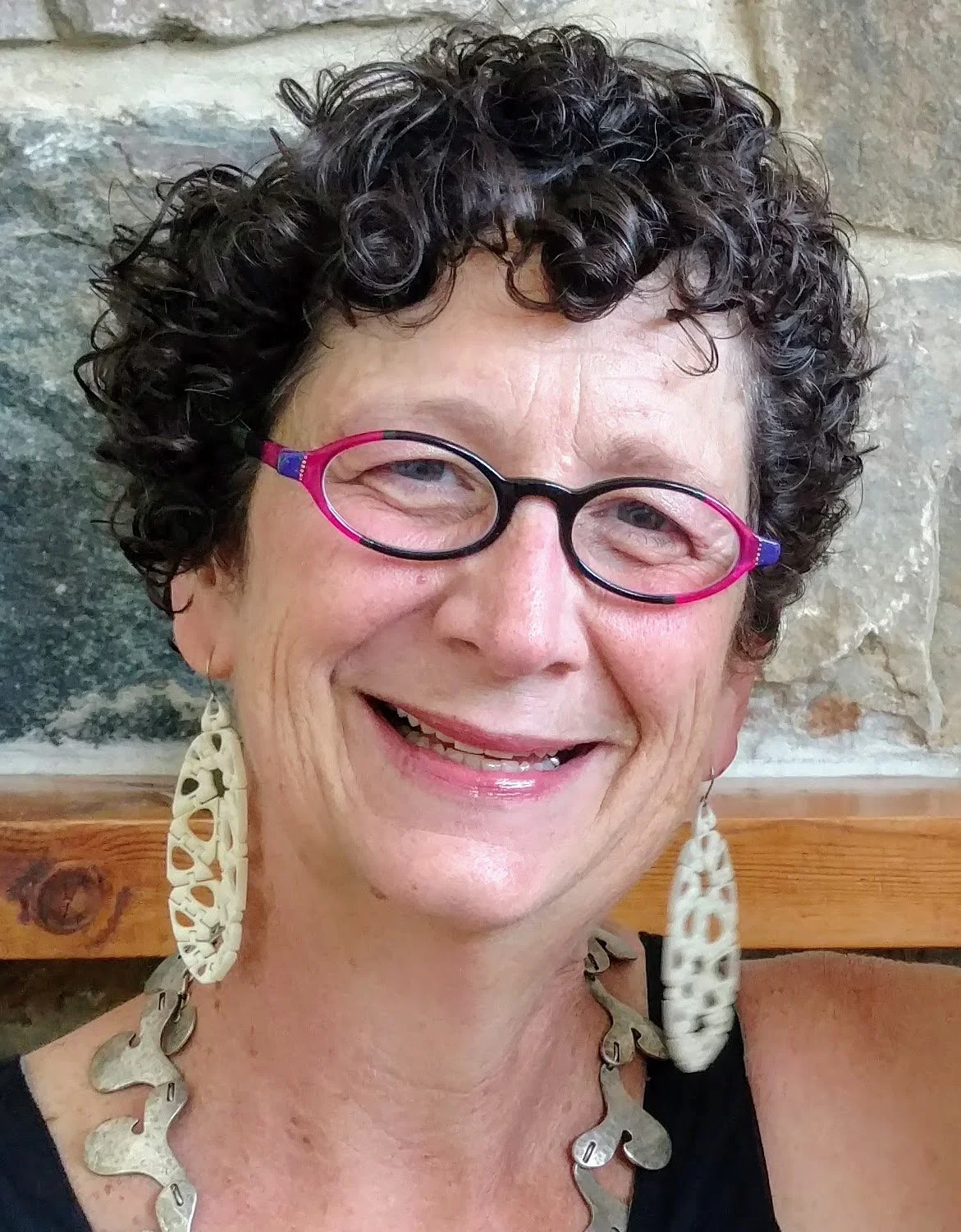
Photo: Nancy White